 Wa Web
Creating automatic replies on WA web can significantly streamline your communication, making it efficient and less time-consuming. Whether you’re managing a busy work environment or engaging with friends, setting up automatic responses ensures that you stay connected even when you’re away. In this article, we will explore simple yet effective methods to create automatic replies on WA web.
Customized Message Creation
Define Your Primary Response
Clarify your intent: Begin by understanding the most common questions you receive. This clarity allows you to draft a message that addresses these queries quickly and effectively.
Craft the message: Once you identify these questions, write a clear and concise automatic reply. Include essential information such as availability, response time, or redirecting to FAQs. Test the tone: Ensure that your message reflects your personality or brand tone. An automated message should still resonate with the recipient.
Utilize Third-Party Tools
Research reliable options: There are multiple third-party applications designed to assist with WA web automation. Look for platforms like WhatsApp Business or chatbots that allow you to set up automatic replies.
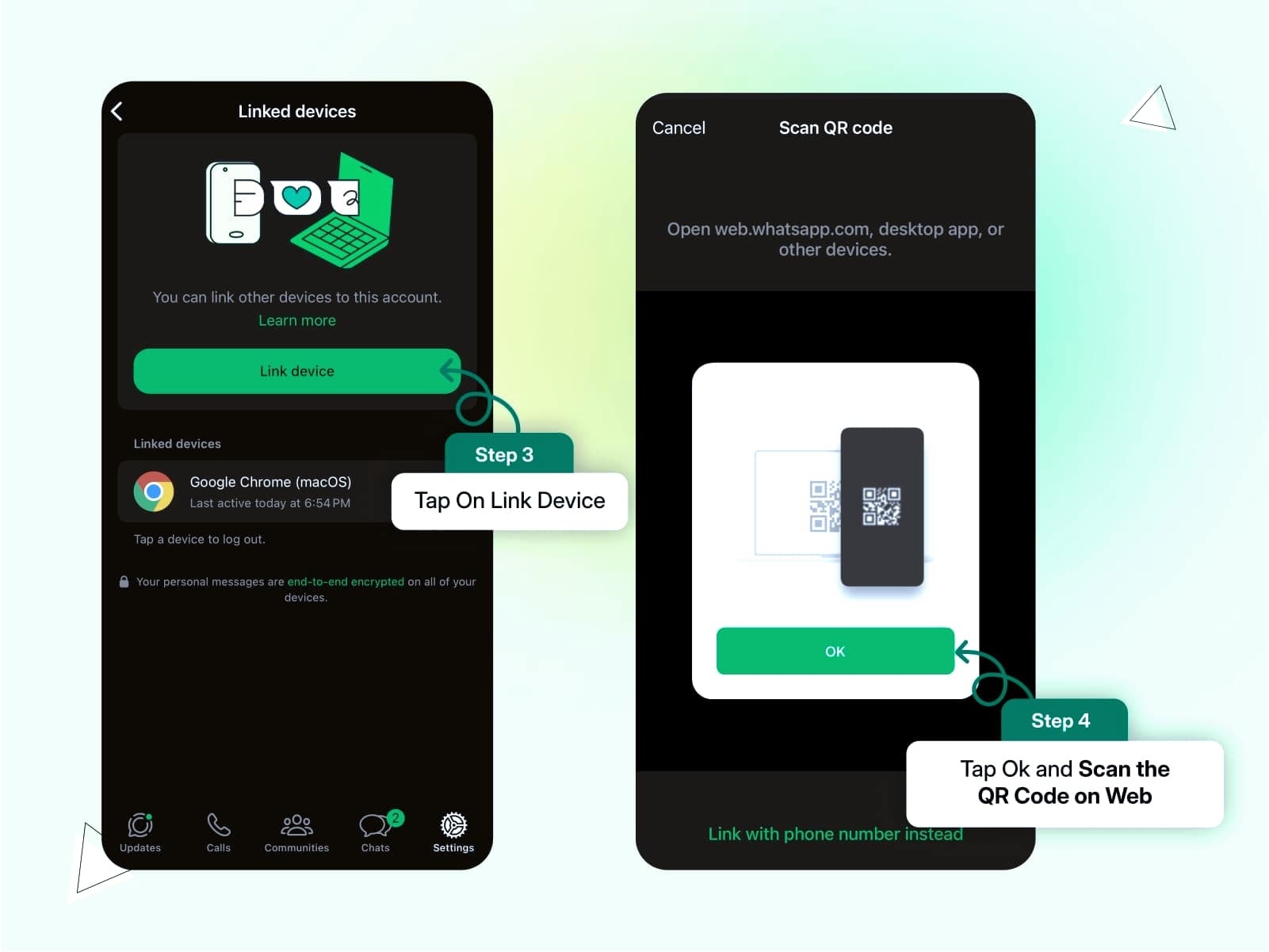
Link your account: Once you choose a tool, the next step is to authenticate and link your WA web account. Follow the integration guidelines provided by the platform.
Configure the settings: Set guidelines for messages, select triggers, and define the time frames for your automatic replies to ensure they function as intended.
Scheduling Messages
Use Built-in WA Web Features
Access the scheduling tool: If you are using a WhatsApp Business account, highlight your usage of built-in scheduling functions that allow you to send messages automatically.
Input necessary details: When scheduling, enter the recipient, date, and time for the message to be sent. Make sure to finalize the message so it doesn’t go out empty or wrong.
Confirm the schedule: Always double-check your scheduled messages. Ensure that they are set correctly to avoid any miscommunication.
Employ Third-Party Automation Tools
Select scheduling software: Look into tools like Buffer or Hootsuite that connect with WA web and allow message scheduling.
Configure your account: Integrate your WA web account and input necessary permissions for the software to access your messages.
Set your message schedule: After logging in, comfortably set your messages to go at specific times or on designated dates to keep your contacts informed.
Utilizing Quick Replies
Set Up Quick Responses in WA Web
Access settings: In the chat interface, navigate to settings where you can find options for quick replies in your default messaging settings.
Input shortcut and message: Choose a simple keyword that represents the response you want to be automatically sent. Input the full response message associated with that keyword.
Test the feature: Ensure your quick reply sends correctly. Type in the keyword in a chat, and see if the automatic response populates.
Manage FAQ Responses
Identify common queries: Gather a list of repeated inquiries from your colleagues or clients so you can turn them into quick replies.
Implement a template: Draft concise, clear responses for each identified question. This proactive approach saves you and your contacts time.
Revise based on feedback: Continuously seek input from users about the efficiency of your quick replies, modifying as needed to improve communication effectiveness.
Integration of Chatbots
Explore Chatbot Solutions
Research chatbot providers: Investigate chatbots that can effectively integrate with WA web. Tools such as ManyChat or Chatfuel are viable options.
Create a flowchart: Design a simple question and answer flow that your chatbot will navigate. This helps streamline conversations autonomously.
Embed responses: Once the flow is created, implement automated responses for the chatbot so that interaction is seamless and efficient.
Custom Bot Development
Define purpose: Clarify what tasks your custom bot will handle—whether it’s answering questions, booking appointments, or providing information.
Engage a developer: If necessary, seek software development support. A well-built bot can significantly enhance how messages are communicated.
Test and refine: After deployment, test your chatbot thoroughly. Gather user feedback to refine the bot’s performance.
Engaging with Templates
Prepare Standard Reply Templates
Draft template messages: Create a set of template messages that can cover various scenarios, saving time on recurrent replies.
Include personalization: Enhance these templates with personalization tokens, such as the recipient’s name, to create a tailored response.
Store templates efficiently: Organize these messages in a folder or as a note within WA web for quick access.
Turn Templates into Automatic Replies
Utilize template functionality: Many messaging applications allow you to designate certain text snippets as templates that can be automatically sent.
Activate the automatic reply feature: Leverage this setting to make certain templates trigger under specific conditions, streamlining the communication process.
Continuously update templates: As circumstances change, ensure that your templates reflect the most current practices and information relevant to the audience.
Frequently Asked Questions
Can I access automatic replies on personal WA accounts?
Currently, automatic replies are primarily accessible through WhatsApp Business accounts, offering businesses several features tailored for streamlined communication.
How do I ensure my automatic replies feel personal?
You can personalize your messages by including the recipient’s name or adapting the tone to fit your relationship, making them feel valued and recognized.
| Feature | Description | Benefits | Tools | Use Cases |
|---|---|---|---|---|
| Customized Messages | Create tailored auto-replies for common queries. | Improves personal engagement. | WA Web, WhatsApp Business | Customer support |
| Message Scheduling | Schedule automatic replies for specific times. | Maximizes response efficiency. | WA Web, Third-Party Tools | Promotions and announcements |
| Quick Replies | Set predefined answers for frequent questions. | Saves time in communication. | WA Web | FAQs |
| Chatbot Integration | Utilize bots for 24/7 responses. | Ensures availability outside business hours. | Chatbot Software | Online customer service |
| Template Management | Develop standard message templates for consistency. | Enhances brand messaging. | WA Web | Brand communications |
What can I do if my automatic replies are not working?
Double-check the settings you configured for automatic replies to ensure protocols are active. Additionally, consider using troubleshooting tips provided by WhatsApp support.
Creating automatic replies on WA web is not just about filling in the gaps while away; it is about enhancing communication and maintaining relationships effortlessly. By following these methodologies and techniques, you will find the process straightforward and ultimately rewarding. Implement these strategies to transform how you communicate, ensuring your responsiveness and reliability shine through, even when you can’t be present. This guide serves to sharpen your automation skills and unlock the full potential of WA web.
When setting up automatic replies on WA web, regularly update your messages based on user feedback to ensure they remain relevant and effective in addressing common queries.
Custom Messages
Create tailored automatic replies for common questions quickly.
Message Scheduling
Easily schedule messages to be sent at peak interaction times.
Quick Replies
Set up quick responses to standard inquiries for faster replies.
Chatbot Integration
Integrate chatbots for round-the-clock automated responses.
Template Management
Utilize standard reply templates for consistency and efficiency.
Feedback Loop
Continuously revise automatic replies based on user feedback.